Focused Windows for Every Service
Useful updates and clear arrival timing.
Every service below starts with the same step: a camera in the line and an honest read of what it shows. From a single bad joint to a full lateral replacement, trenchless methods cover most sewer line repair in Naples without a trench. If your home still runs original cast iron under slab, start with an inspection. You will know exactly what is wrong, what is involved, and whether digging can be avoided.
Useful updates and clear arrival timing.
Review the approach and scope before deciding.
Equipped vehicles and respectful cleanup.
Neighbors serving neighbors with follow-through.
Every service on this page exists for one reason: something in your sewer lateral is cracked, blocked, invaded, or worn out, and the right fix depends on which. That is why each job here starts with a camera inspection and a written plan built from the footage, whether the answer turns out to be a spot repair, a liner, or a new line. Not sure which service fits your symptoms? Call (239) 448-0271, describe what the house is doing, and the symptom will point at the service.
Every service below starts with the same step: a camera in the line and an honest read of what it shows. From a single bad joint to a full lateral replacement, trenchless methods cover most sewer line repair in Naples without a trench. If your home still runs original cast iron under slab, start with an inspection. You will know exactly what is wrong, what is involved, and whether digging can be avoided.
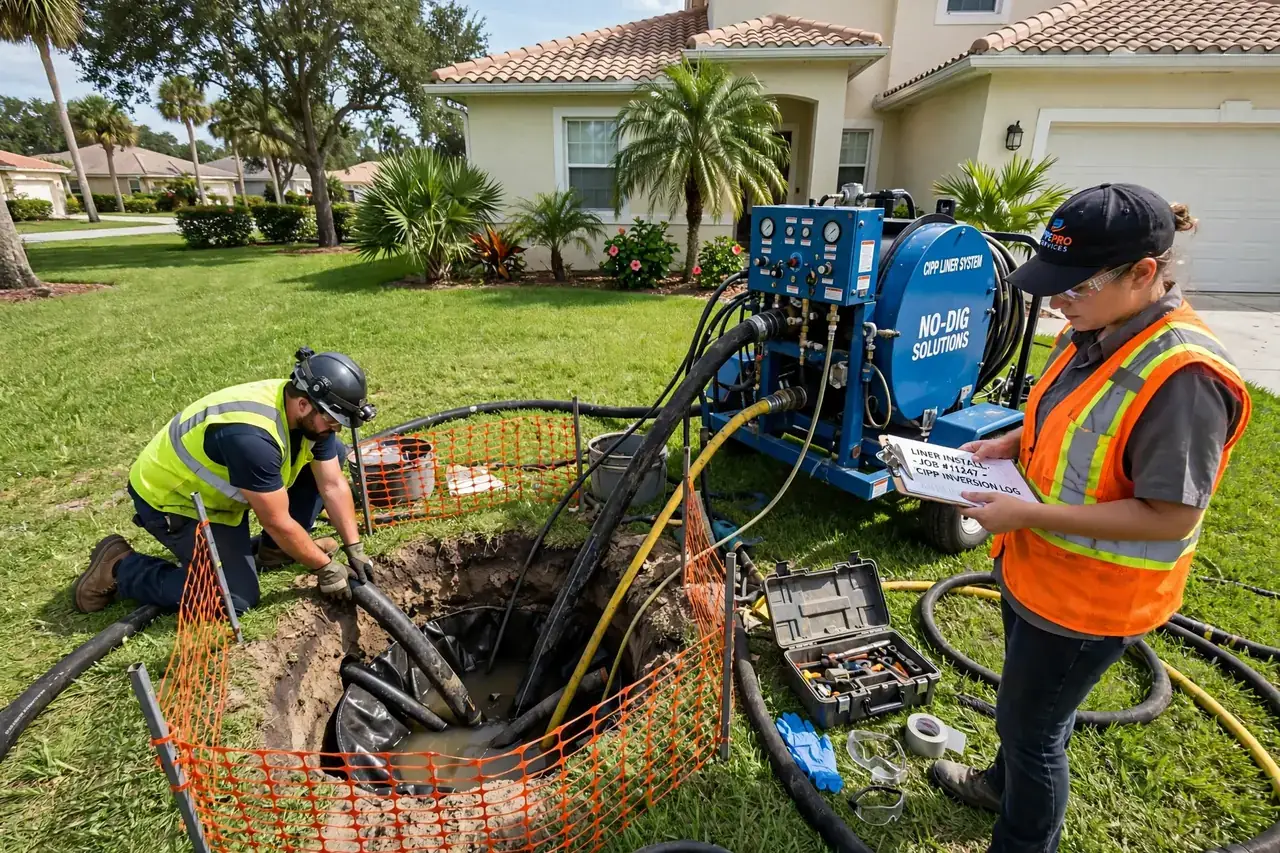
Broken or root-filled sewer lines repaired from the inside, with no trench through your yard or driveway. A resin liner or new HDPE pipe pulled through the old line creates a smooth, jointless run that roots cannot enter. Most trenchless sewer repair in Naples finishes in one to two days. The plan is set per job from the camera footage.
View service
When a lateral is collapsed beyond lining, full sewer line replacement in Naples swaps the failed pipe for new PVC or HDPE built to last decades. Pipe bursting replaces it trenchlessly, fracturing the old pipe outward while pulling the new line into place. Open-cut replacement remains the fallback for lines with bellies or collapsed soil. The new run is camera-verified and flow-tested before backfill.
View service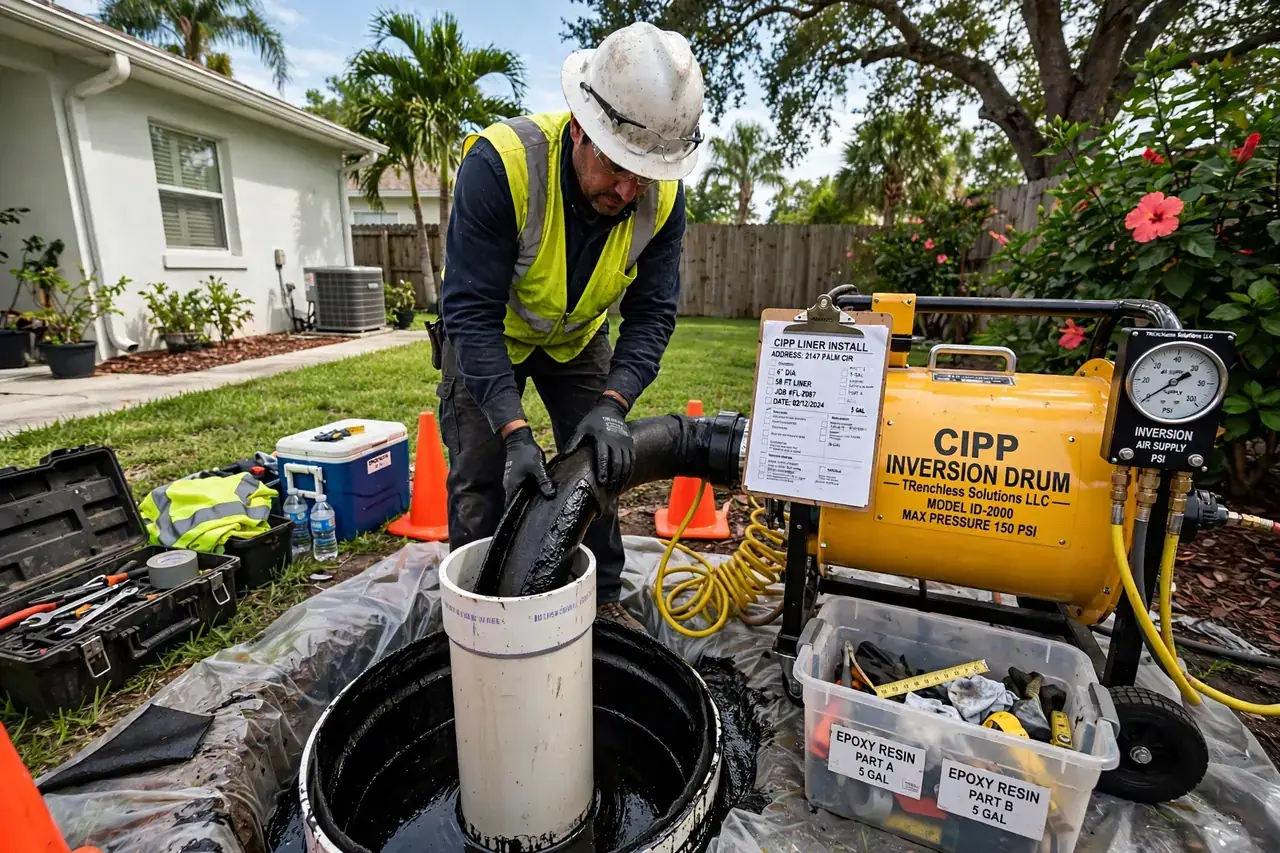
Cured-in-place pipe lining builds a new pipe inside the old one. A resin-saturated liner inverts through the damaged section and cures into a hard, jointless tube. CIPP pipe lining in Naples is the go-to fix for cracked cast iron under slab, root-invaded clay, and joints that keep separating. Liners are typically rated for a 50-year service life with only slight diameter loss.
View service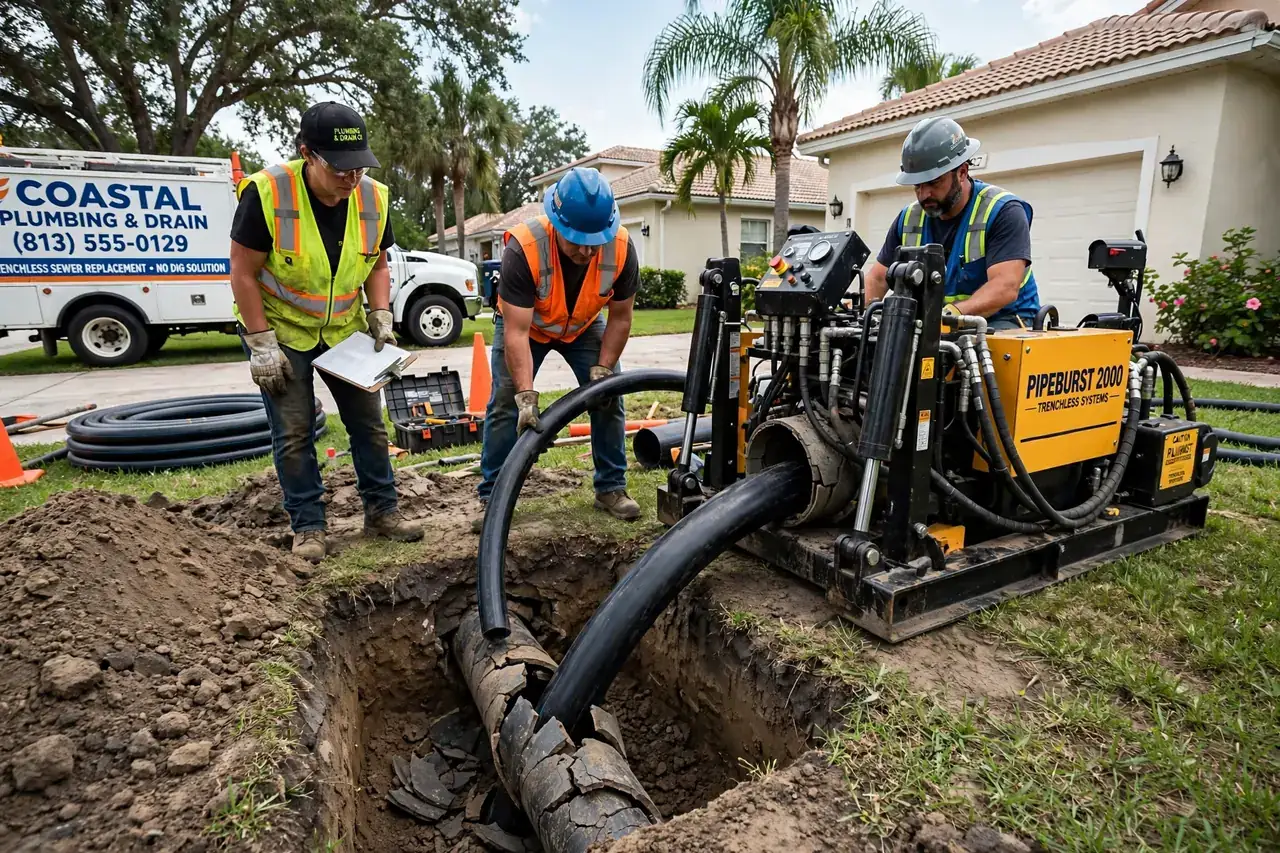
Pipe bursting replaces a sewer line by pulling a new HDPE pipe through the old one while a bursting head fractures the failed pipe outward. The new line follows the old path, so pipe bursting in Naples needs only small entry and exit pits instead of an open trench. It handles collapsed sections lining cannot fix, and it can upsize diameter where flow is restricted.
View service
A camera with a self-leveling HD head travels your lateral, recording cracks, root mats, bellies and offset joints. Sewer camera inspection in Naples gives you the recorded video, a written report, and a locate with depth and path. The findings shape the plan so the plan covers only work the pipe needs.
View service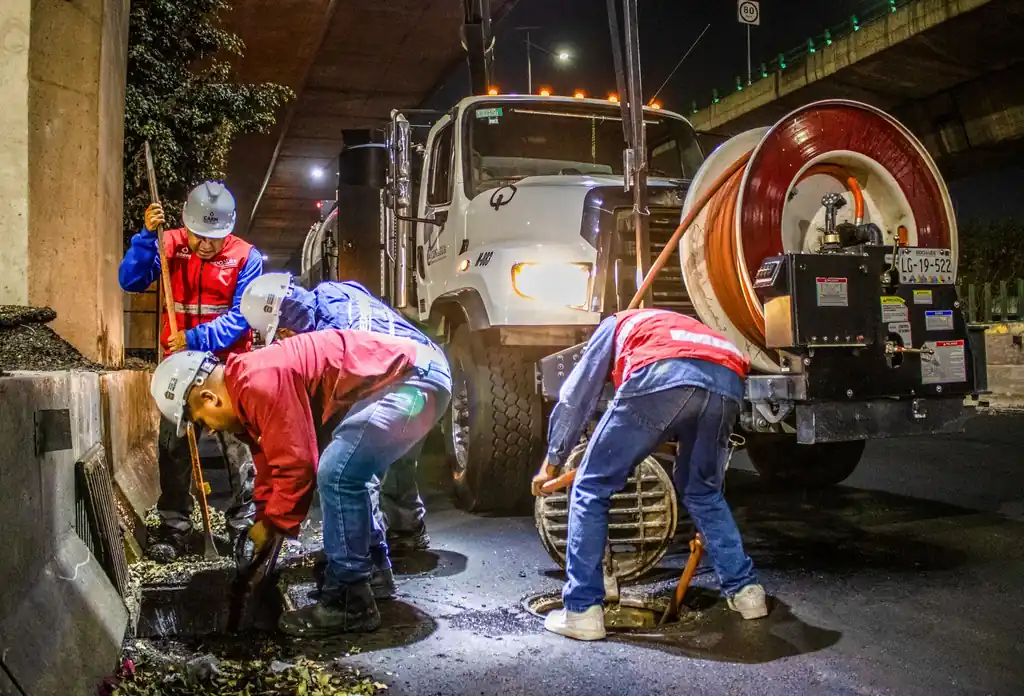
High-pressure water clears grease, scale, sludge and root masses without chemicals or cutting tools. Hydro jetting in Naples restores full diameter to lines that keep slowing down, and it is the standard prep before CIPP lining so resin bonds to clean pipe. Jetting runs at pressures matched to the pipe material, which matters with older cast iron that takes less force than new PVC.
View service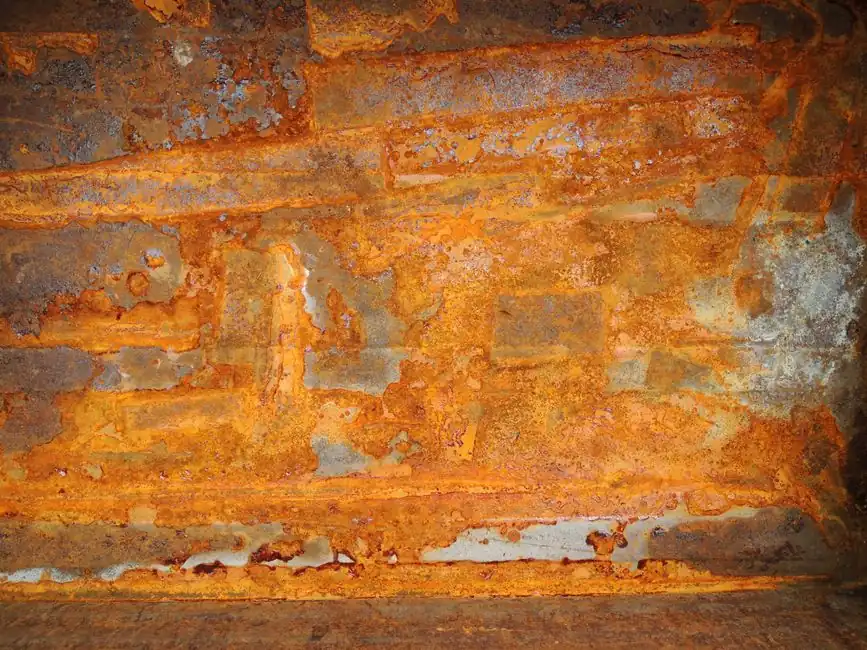
Cast iron was the standard for decades, and thousands of Naples laterals are still original cast iron under slab. It rusts from the bottom, cracks with serrated edges that catch debris, and collapses in sections. Cast iron sewer pipe repair in Naples usually means lining the salvageable runs and bursting the collapsed ones, so you fix the failure pattern, not just last week's backup.
View service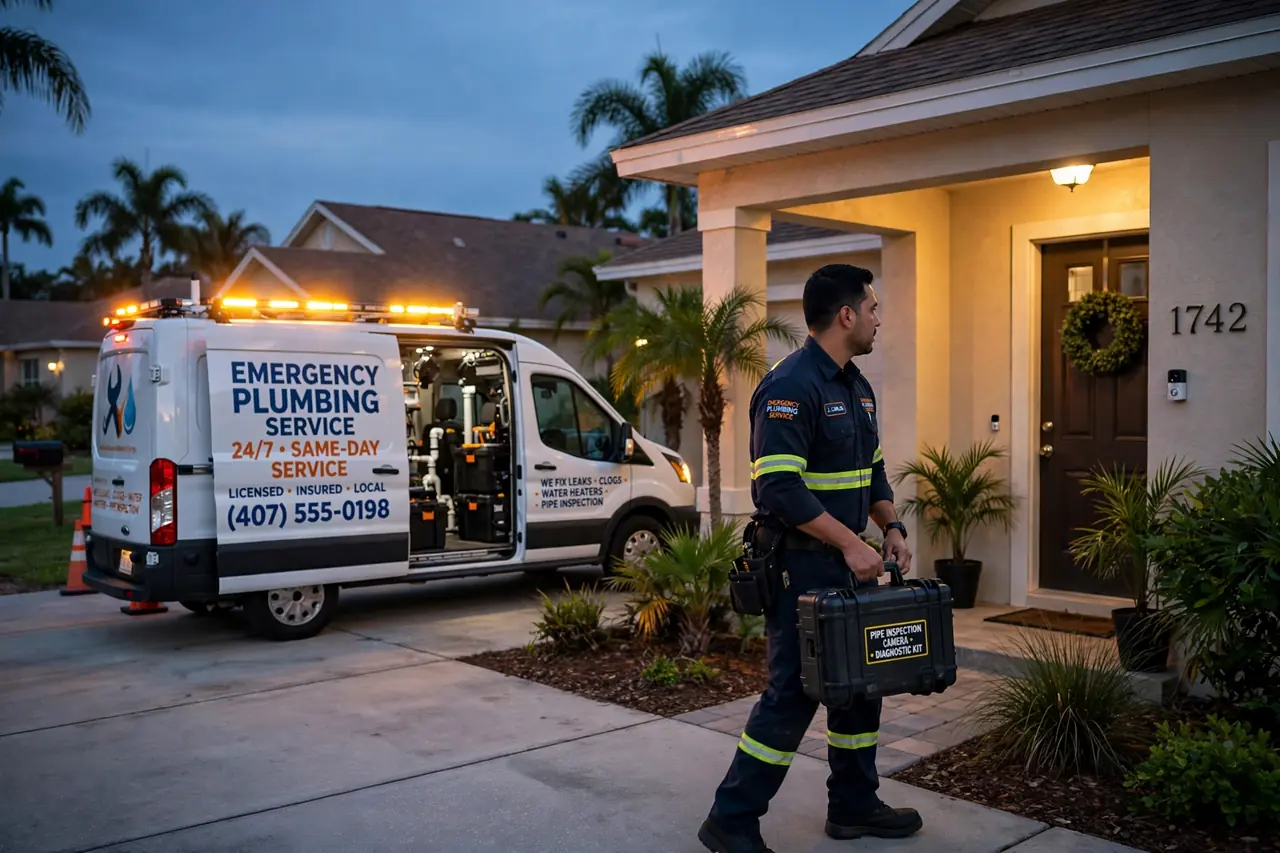
Sewage backing up into tubs, toilets or floor drains cannot wait for a convenient appointment. Emergency sewer repair in Naples starts with fast camera diagnosis, then immediate relief, usually jetting or a sectional repair, to get the line flowing. Full restoration follows once flow is controlled. Call (239) 448-0271 weekdays 8am to 6pm and describe what you see.
View service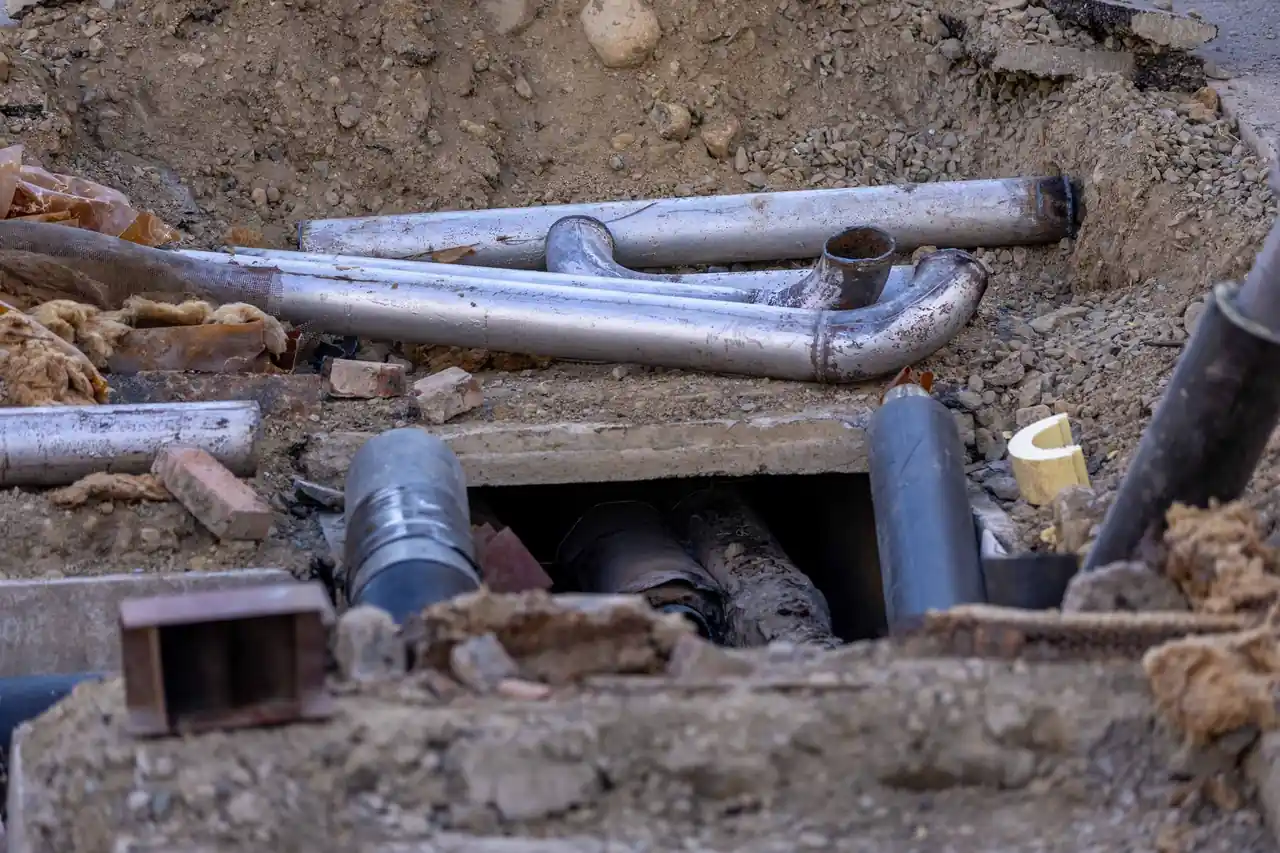
When the camera shows one bad joint or one cracked section in an otherwise sound line, replacing the whole lateral makes no sense. Sewer spot repair in Naples fixes just that failed section, either with a short CIPP point repair or a small excavation at the exact mark. Each job is planned by depth and access, and most finish the same day.
View service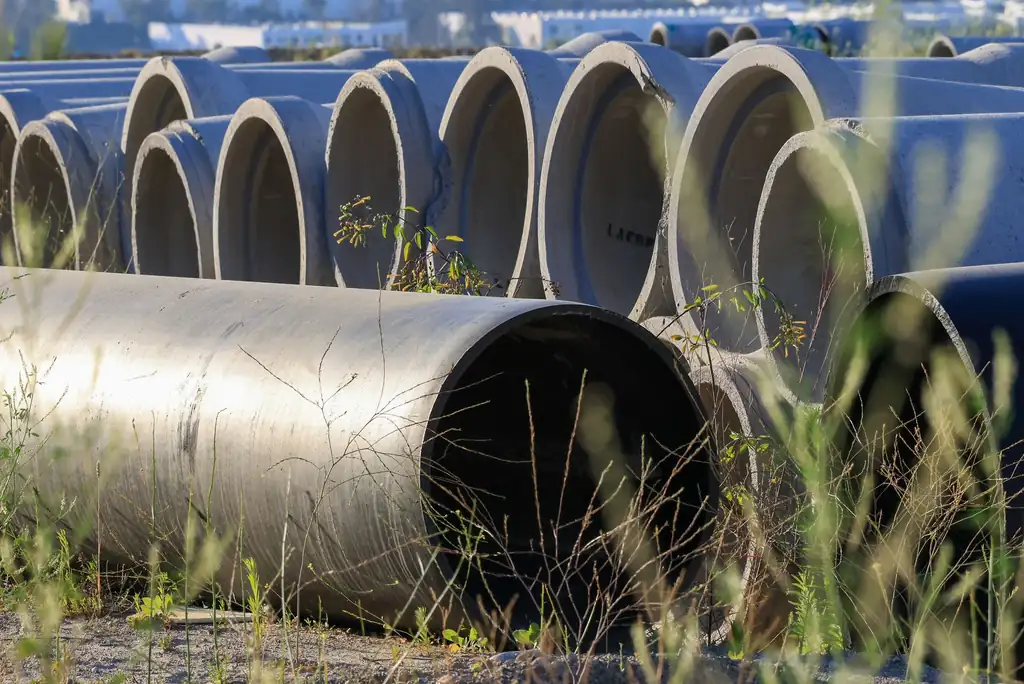
New construction and additions in Collier County need laterals sized and sloped to code from day one. Sewer line installation in Naples covers the full run: trench layout, bedding, 4-inch or 6-inch PVC at proper grade, cleanouts, and the city tap. Every new line gets a camera pass and flow test before backfill, so the first inspection passes.
View serviceWe run an HD camera through the full lateral and record what it finds: roots, cracks, bellies, offsets, collapses. You watch the footage, and we mark the pipe path and depth on the ground. This visit typically takes 60 to 90 minutes and produces the written condition report every plan is built on.
The plan lists the repair method, materials, linear footage, access points and the full project scope. If lining and bursting are both viable, you see both options with the trade-offs explained plainly. Nothing is billed hourly and nothing is vague. You approve the plan before any work is scheduled.
On repair day we open small access pits, jet the line clean, then install the CIPP liner or burst in the new HDPE pipe. The resin cures in hours, and the new pipe is a smooth, jointless run. Most jobs wrap in one to two days, and your landscaping, driveway and slab stay intact.
After the repair we camera the renewed line and record the finished result: jointless, end to end, full flow restored. You get the after video alongside the before footage, plus a written summary of the work completed. If anything does not look right, it gets corrected before we close the access pits.
From the first call to the final camera pass, most trenchless jobs follow the same four steps. You will know what happens, in what order, and what we need from you at each point. Nothing starts until you have approved the written plan. Most jobs finish in one to two days, and your home stays usable throughout the work.
Most sewer contractors in southwest Florida still sell the dig first. We built this company around the opposite sequence: camera first, dig only when the pipe leaves no choice. That discipline spares Naples homeowners the work of restoring driveways, pool decks and landscaping that a trench would have destroyed. The result is a repair measured in days, not weeks, and a yard that looks untouched.
Every job starts with a recorded HD camera survey of the full lateral, and you watch the footage with us. Roots at 40 feet, a belly at 65, a cracked joint under the slab: you see exactly what we see. Written plans reference the video timestamps, so the scope ties to visible defects, never to a hunch. That is how sewer line repair in Naples should be sold.
Digging is the fallback, not the plan. If CIPP lining or pipe bursting can restore the line, that is what we propose, and most Naples laterals qualify. Trenchless work typically finishes in one to two days with small access pits instead of an open trench, which keeps pool decks, pavers and mature landscaping intact. You get a new pipe without rebuilding the yard.
Every job gets a written plan before work starts, with the scope, materials and access plan spelled out. No extras that balloon later, no surprise additions. The plan you approve is the job we do.
Homeowners ask us to choose between these three on the first call, and the honest answer is that the pipe chooses. The decision rests on what the camera finds: how much of the line is damaged, whether the pipe still holds its round shape and its slope, and how the sound sections look. Here is the logic we apply to the footage, in the open.
Notice what is not on either list: the age of the house alone, and the size of the job a contractor prefers to sell. Age raises suspicion; only footage confirms condition. A 1968 lateral with round, well-sloped pipe is a lining candidate, and a 1995 line with a crushed section is a replacement. That is why every plan we write starts from your video, and why we will show you the exact frames behind the recommendation before you decide anything.
The process section above covers the repair sequence. This is the visit itself: what happens at your house, in order, whichever service you end up needing. No surprises is a policy here, not a slogan.
Crews arrive in the window you were given, with the camera, locator, and jetter on the truck. Most diagnoses do not need a second trip for equipment, and nobody starts by asking to dig anything.
Before the camera moves, you walk us through it: which fixtures misbehave, when it started, what patterns you have noticed. Your observations steer the inspection toward the right stretch of pipe.
The lateral is filmed from the cleanout to the street connection, and defects are marked on the surface with depth. You watch the footage with the technician, pausing at every crack, root mass, and belly.
You receive the options the pipe actually qualifies for, each with its scope and schedule in writing. If two methods both work, you see both, with the trade-offs explained in plain language.
Approved work proceeds with small access points wherever trenchless methods allow. Afterward, a final camera pass films the finished line, and a flow test runs the house drains to confirm everything moves.
Access points are closed, the work area is left clean, and you keep the before and after video plus the written summary. Your file stays on record, so any future question starts from evidence, not memory.
Services are easier to choose when the symptom is named. These six signs cover most of the calls we run in Naples, and each one has a guide page that explains what it means, what you can check safely, and which service answers it. If your house is showing one today, start with the guide, then call (239) 448-0271.
Odor indoors means sewer gas is escaping through a dry trap, a failed seal, a blocked vent, or a crack in the lateral itself. Persistent smell with wet traps points under the slab, where pre-1972 cast iron rusts open.
Several fixtures failing together is the main line talking, not a string of bad luck. Roots, a belly, or a collapsed section is choking the one pipe every drain shares.
Gurgling is air displaced by a narrowing line, and it is the earliest warning most Naples homes give. It arrives weeks before the backup, while the fix is still a clearing.
A patch of lawn that stays wet, lush, or spongy along the line path usually marks a leaking joint or cracked section washing soil out of the pipe's bedding.
Backups that return on a cycle of months are root masses regrowing through open joints. Ficus, banyan, and live oak over the line path make this the most Naples pattern of all.
Sewage surfacing in the tub means the main line is fully blocked and the tub is the lowest exit. Stop water use and treat it as the emergency it is, then call for relief.
Not ready to pick a service? Start from the problem instead. Each guide below was written for one symptom: what causes it in Collier County ground, which checks are safe to run yourself, where the DIY line sits, and how the diagnosis and fix proceed. Read the one that matches your house.
Traps, vents, seals, and cracked laterals: the full odor checklist for Naples homes, including the seasonal-home dry trap pattern.
What it means when the tub, toilet, and floor drain fail together, and how a main line blockage gets located and cleared.
The air sound that precedes backups, decoded by fixture: vent trouble versus a narrowing lateral, and how to tell them apart.
Reading a lawn for leaks: how to separate a sewer leak from irrigation and water line leaks with a meter test and the line path.
How roots find your joints, why clearing alone repeats, and how lining seals the entries so the tree and the pipe can coexist.
The first-hour playbook for the worst symptom: containment, health boundaries, and what emergency relief looks like on site.
The camera-first protocol does not change with the ZIP code. From our base at 1274 13th St N in Naples, crews run the same services across Collier and Lee counties, from Marco Island and Old Naples up through Cape Coral, Fort Myers, and Lehigh Acres. Pick your town for its local page, or call (239) 448-0271 and we will confirm your route window.
In our process, yes, and it protects you more than us. Symptoms overlap badly in sewer work: the same backup can come from roots, a belly, or a collapse, and each takes a different fix at a different scale. The camera run takes about an hour, produces footage you keep, and turns the plan into a document tied to visible defects. Repairs planned without footage are planned on a guess, and the guess is rarely in the homeowner's favor.
Most can, and the camera decides which ones. Lines that are cracked, scaled, root-invaded, or leaking at joints but still round and on grade are strong candidates for lining or bursting, which cover the majority of laterals we film. Lines with collapsed sections, severe bellies, or displaced joints need excavation on at least that stretch. We propose digging only where the footage leaves no trenchless route, and we show you those frames.
Match the fix to the footage. Localized damage in a sound pipe earns a spot repair. Widespread cracking, roots, or channel wear in a pipe that is still round and sloped earns a liner, which renews the whole run from inside. Collapse, lost slope, or deformation earns replacement of the failed stretch. The decision section above lays the criteria out in full, and your written plan applies them to your line specifically.
Stop using water everywhere in the house, keep people and pets out of the affected room, and call (239) 448-0271. Do not pour drain cleaner into standing sewage, and do not keep flushing to test it. Every added gallon arrives at the lowest fixture. The crew relieves the line at the cleanout first, restores flow, and then films the cause so the repair can be planned the same visit.
Then lining was never the right sale, and finding out before committing to it is the point of filming first. A line that fails lining candidacy, because it is collapsed, bellied, or displaced, gets planned for the method that fits: bursting where the path is usable, or a sectional open-cut replacement where it is not. You see the disqualifying footage yourself, and the written options reflect what the pipe can actually accept.
Yes, with coordination. Laterals and shared stacks in condo buildings, including the high-rises in Pelican Bay and the cottage condos at Vanderbilt Beach, get the same camera-first treatment, planned around building access, water shutoff windows, and association approvals. Tell us the building type when you call, and the visit gets scheduled with the property manager in the loop from the start.
Straight answers on inspections, methods, and what happens when the pipe surprises everyone. Not seeing your question? Call the local team.
Ask the local team
One call covers every service and every town. Reach us at (239) 448-0271 weekdays between 8am and 6pm to schedule a camera inspection. We will confirm your area is on the route and find a time that fits. Based at 1274 13th St N in Naples, our crews run Collier and Lee counties daily.