Inspection Windows That Respect Your Day
Useful updates and clear arrival timing.
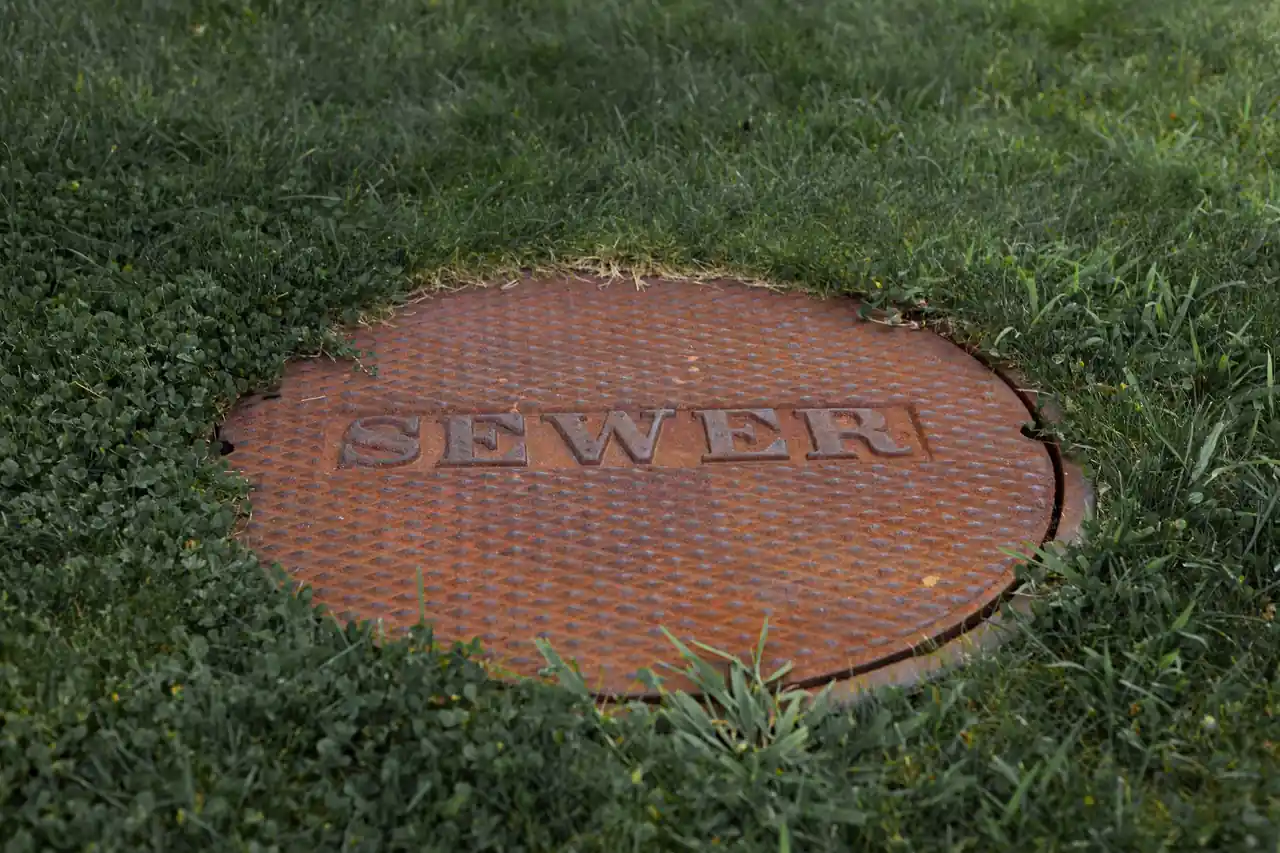
Sewer Camera Inspection in Naples runs a high-resolution camera through your sewer lateral and records everything it finds: cracks, root intrusion, bellies, collapses, and the exact location of each defect. Every repair decision, lining, bursting, spot repair, or excavation, starts from this footage. The inspection is planned before the visit, takes about an hour, and the video is yours to keep.
Useful updates and clear arrival timing.
Review the approach and scope before deciding.
Equipped vehicles and respectful cleanup.
Neighbors serving neighbors with follow-through.
A sewer camera inspection in Naples puts eyes inside your lateral before anyone plans a repair. A waterproof camera travels from the cleanout to the city connection, usually 40 to 80 feet, while a locator marks the exact surface location and depth of every defect. You receive the video plus a written defect report, so call (239) 448-0271 to book an inspection and get findings you can see for yourself.
The inspection is a complete diagnostic package: the video, the locations, and the written findings. Here is what you receive.
Camera from the cleanout to the city connection, typically 40 to 80 feet, with the entire run recorded and distance-logged. You receive the video file.
Sonde locator marks each significant defect's surface position and depth with paint, so repair planning starts from known locations, not plans.
The technician narrates the run in real time and walks you through the recording afterward, pausing at each defect to explain what it is.
Pipe material, diameter, length, each defect with footage location and depth, and the recommended next step. The report supports plans, negotiations, and insurance claims.
When the video shows work is needed, the options, jetting, spot repair, lining, bursting, or excavation, are planned from the footage with the trade-offs explained.
Share what is happening and receive a clear next step from the local team.
Sewer Camera Inspection in Naples is a non-invasive diagnostic service that puts eyes inside your sewer lateral. A waterproof camera head on a flexible push rod travels from the cleanout to the city connection, usually 40 to 80 feet, transmitting live video to a monitor above ground. A sonde in the camera head broadcasts a signal so the technician can mark the exact surface location and depth of every defect with paint. The full run is recorded, and you receive the video file plus a written defect report.
In Naples, the inspection usually reveals one of the familiar local patterns: root intrusion at separated cast-iron joints in pre-1972 homes, bottom-side rust and scale in aging cast iron under slabs, bellied sections holding water where the sandy soil has settled, or collapsed clay and Orangeburg in the 1960s subdivisions. Rain season, June through November, is when these defects announce themselves, because saturated soil pushes groundwater into the line and turns small separations into backups. The camera shows which of these you have and, just as important, which you do not.
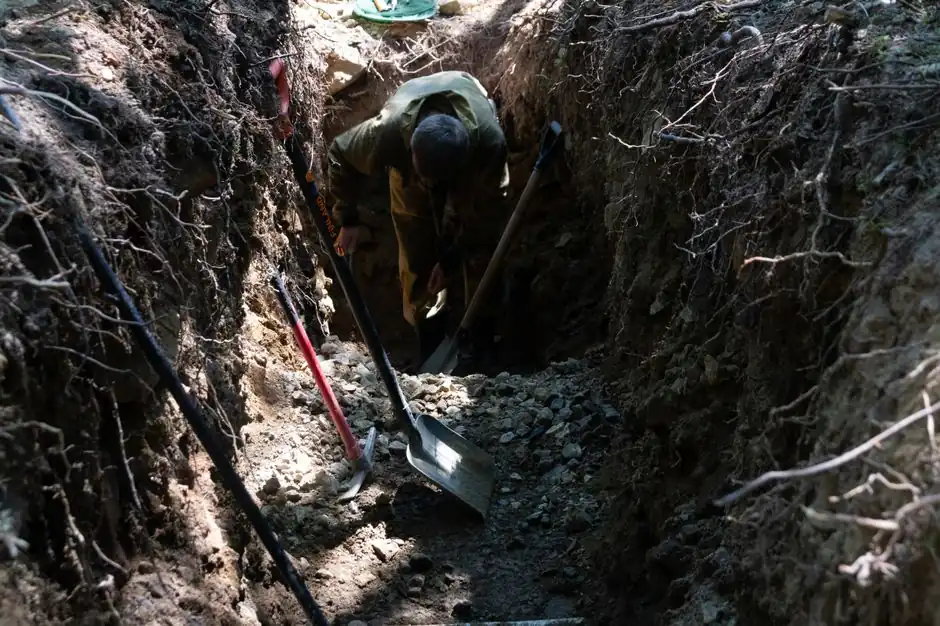
The technician opens the existing cleanout, usually a 4-inch capped pipe near the house or at the property line. If there is no accessible cleanout, a toilet can be pulled to gain access, which adds about 30 minutes. In Naples, FL, most homes built after 1980 have an exterior cleanout; many pre-1972 homes do not, which the scheduler will ask about.
The push camera travels the full lateral to the city connection or septic tank, with the technician narrating what the monitor shows in real time. You are welcome to watch. The run covers every foot of pipe, and the camera's distance counter logs the exact footage of each defect for the report.
The sonde signal lets the technician mark each significant defect on the surface with paint, noting its depth. This matters for repair planning: a break 3 feet deep under the lawn is a different job than a break 6 feet deep under the driveway, and the marks show exactly where.
After the run, the technician walks you through the recording, pausing at each defect to explain what it is and what it means. Root intrusion, cracks, bellies, offsets, and collapses all look distinct on video, and seeing them yourself removes the mystery from the repair recommendation.
You receive the video file and a written summary: pipe material, diameter, length inspected, each defect with its footage location and depth, and the recommended next step, whether that is monitoring, jetting, spot repair, lining, bursting, or excavation. The report is the basis for any plan that follows.
Waterproof camera head on a flexible rod that transmits live high-resolution video of the pipe interior to the surface monitor.
Signal transmitter in the camera head that lets the surface receiver pinpoint each defect's location and depth for paint marking.
Logs the exact footage of the camera head so every defect is recorded with its distance from the access point.
Captures the full inspection as a digital file with on-screen footage overlays, delivered to the homeowner after the visit.
Traces the sonde signal from above ground to mark the lateral's path, depth, and defect positions on the surface.
Standard defect coding keeps how defects are identified and graded consistent, so a crack, fracture, or break is coded the same way on every inspection.
The camera travels the entire lateral to the city connection or tank, not just the accessible portion. Partial runs miss the defects that usually matter most.
Every defect is logged with its footage distance and estimated depth, producing a written report that any contractor can plan from accurately.
Inspections bookend every repair job: the before video proves the diagnosis and the after video proves the repair, both delivered to the homeowner.
A camera inspection, confirmed up front, runs the full 60-foot lateral. The video shows separated cast-iron joints with root intrusion along the whole run. The buyer negotiates a repair concession at closing and schedules the lining for the week after move-in, with the inspection counted toward the job.
The camera shows a bellied section holding two inches of standing water 45 feet out, plus root intrusion at two joints. Jetting alone would not fix the belly. The diagnosis points to bursting instead of another cleaning. One project replaces the run instead of years of cleanings that never address the grade.
A second-opinion inspection records the full lateral. The video shows cracked but round cast iron, a textbook lining candidate, not an excavation job. The homeowner gets the line lined instead of excavated, for less than any excavation alternative, with the video proving the method was appropriate.
Camera inspections of each lateral over two days produce 12 videos and a written condition summary per unit, ranked by urgency. The board gets a prioritized, budgeted replacement plan based on evidence instead of complaints, and schedules the worst three units for bursting first.
Sewer camera inspection in Naples is shaped by the local pipe stock. Pre-1972 homes across Old Naples, Park Shore, Golden Gate, and East Naples carry cast-iron laterals under slab, and the inspector's job is grading 50-plus years of rust: surface scale that can be lined versus structural failure that needs bursting. The 1960s subdivisions add clay and Orangeburg, which fail differently and read differently on video. Florida's high water table means inspectors often see active infiltration during the June-through-November rain season, groundwater visibly entering through separated joints, which is diagnostic gold: it shows exactly which joints are open. Cleanout access varies by era, with many pre-1972 homes lacking one, so the scheduler asks about access when booking and the technician carries the fittings to pull a toilet when needed.
Pre-1972 cast iron under finished slabs. Pre-purchase inspections are common here, and the video often determines whether a deal closes with a repair concession.
1960s clay and Orangeburg laterals. The camera distinguishes cracked clay that can be burst from deformed Orangeburg that must be replaced.
Recurring-backup calls, especially in rain season. The camera finds the bellies and root intrusions that jetting alone never fixes.
Waterfront homes where the camera catches active groundwater infiltration through separated joints during storm weeks, pinpointing exactly what to seal.
Remodeled homes where the inspection checks whether the original lateral can serve the added fixtures or needs upsizing.
The dominant inspection subject in older Naples. The camera grades rust progression and joint condition, which determines lining versus bursting versus monitoring.
Saturated soil drives visible groundwater into the line through open joints. Inspecting during or after storms shows infiltration at its worst, which is ideal for diagnosis.
Many pre-1972 homes have no exterior cleanout, so access comes through a pulled toilet. The scheduler confirms access when booking so the technician arrives prepared.
Defect depths read shallower relative to groundwater, and infiltration is more pronounced. The inspector notes water levels in the report because they affect repair planning.
A buyer was days from closing on a 1971 home with no sewer information. The seller's disclosure mentioned only that the plumbing worked.
The inspection revealed root intrusion at six separated cast-iron joints along the 60-foot lateral. The buyer negotiated a concession, closed, and lined the pipe the following week.
Maintenance: With the line lined, no further inspections are needed on a schedule. The buyer keeps the original video showing the pre-repair condition.
Three backups in one rain season, each cleared by jetting, each returning within weeks. No contractor had put a camera in the line.
The inspection found a bellied section holding standing water 45 feet out. The diagnosis changed the plan from repeated cleaning to a bursting replacement that fixed the grade permanently.
Maintenance: The new HDPE line needs no maintenance schedule. The homeowner now knows to request video before authorizing any repeat cleaning.
A homeowner held an excavation plan given over the phone, with no video and no measurements behind it.
The inspection showed cracked but round cast iron, a lining candidate. The line was lined in one day, and the video documented why excavation was unnecessary.
Maintenance: The lined pipe carries a manufacturer-rated 50-year design life. The homeowner's lesson: no video, no excavation decision.
Most sewer anxiety comes from not knowing. The inspection converts unknowns into a plan.
Repeated emergency visits clear the symptom without identifying the pipe defect causing it, so the backups keep returning. The camera finds the actual defect, roots at a joint, a belly holding water, a partial collapse, and the repair targets that defect instead of the symptom. One diagnosis ends the cycle of repeat visits.
A failed lateral discovered after closing becomes the buyer's problem, often a major repair, with no leverage left to negotiate. A pre-purchase inspection documents the pipe's condition on video before closing. The written report supports negotiating a repair concession, and the buyer closes knowing the real state of the lateral.
One contractor says line it, another says dig it up, and the plans differ widely with no way to judge who is right. The recorded video is neutral evidence. Any contractor's recommendation can be checked against the footage, and plans built from the same video are directly comparable.
Whole-house slow drainage suggests a main-line problem, but it could also be a city-side blockage that is not the homeowner's responsibility. The camera shows where the restriction is and whose side of the connection it falls on. If the blockage is past the property line, the homeowner learns the city or utility owns the fix.
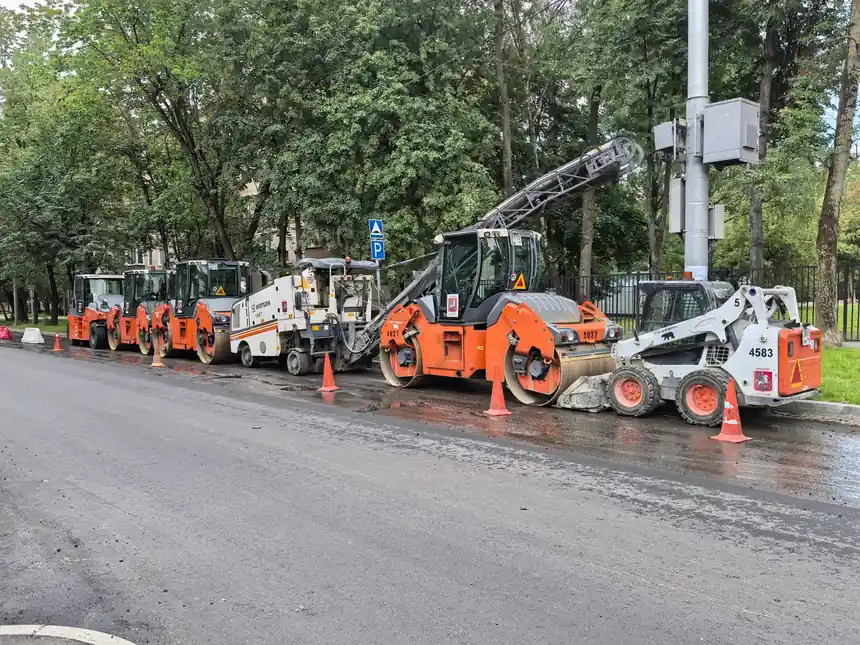
Running a camera is easy; interpreting what it shows is the trade. A root mass and a collapsed pipe can look similar to an untrained eye, and the difference is a cleaning versus a replacement. Qualified inspectors train in standard defect coding, so a crack, a fracture, and a break are identified consistently. In Naples, the reading skill is local: recognizing the rust patterns of 50-year-old cast iron, distinguishing a belly from a grade reversal in sandy soil, and knowing which defects are stable enough to monitor and which are months from failure.
A residential sewer camera inspection in Naples is confirmed up front before the visit. The plan covers the full lateral run, recorded video, surface marking of defect locations, and a written report. What moves the scope is access difficulty, line length, and how much of the lateral needs locating and marking. The inspection counts toward any repair scheduled within 90 days. Call (239) 448-0271 to arrange an inspection window.
Yes, especially for homes built before 1980. Pre-1972 Naples homes commonly have original cast-iron laterals under slab, and an inspection, confirmed up front, can reveal major needed pipe work before you close. The video and written report give you documented leverage to negotiate a repair concession with the seller.
The camera shows cracks, fractures, root intrusion, bellies holding water, pipe offsets, collapsed sections, scale buildup, and foreign objects. The sonde locator marks each defect's surface location and depth. What it cannot see is the pipe's exterior condition or leaks that only appear under flow, which is why the technician correlates the video with your symptoms.
For homes with original 1960s or 1970s pipe in Naples, every 3 to 5 years is prudent, because cast iron, clay, and Orangeburg are all in their failure window. After any trenchless repair, a check at year five confirms the work is holding. Get an inspection immediately if you notice recurring backups, gurgling drains, or sewage odors.
Not seeing your question? Our local team can help you understand urgency, scheduling and what to expect.
Ask the local team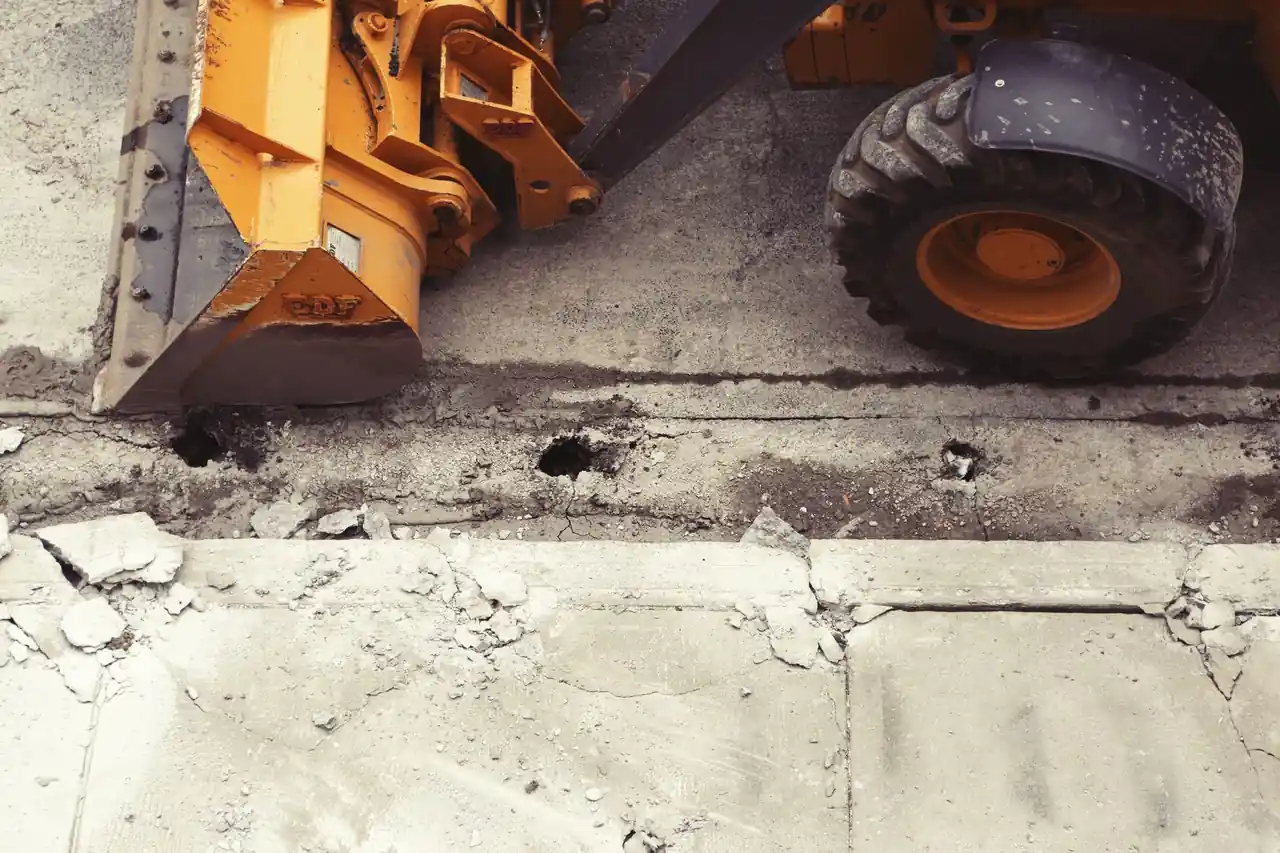
When the inspection shows the pipe is beyond repair, collapsed, or with lost grade, full replacement by bursting or excavation is planned from the same footage. No second diagnostic visit needed.
View service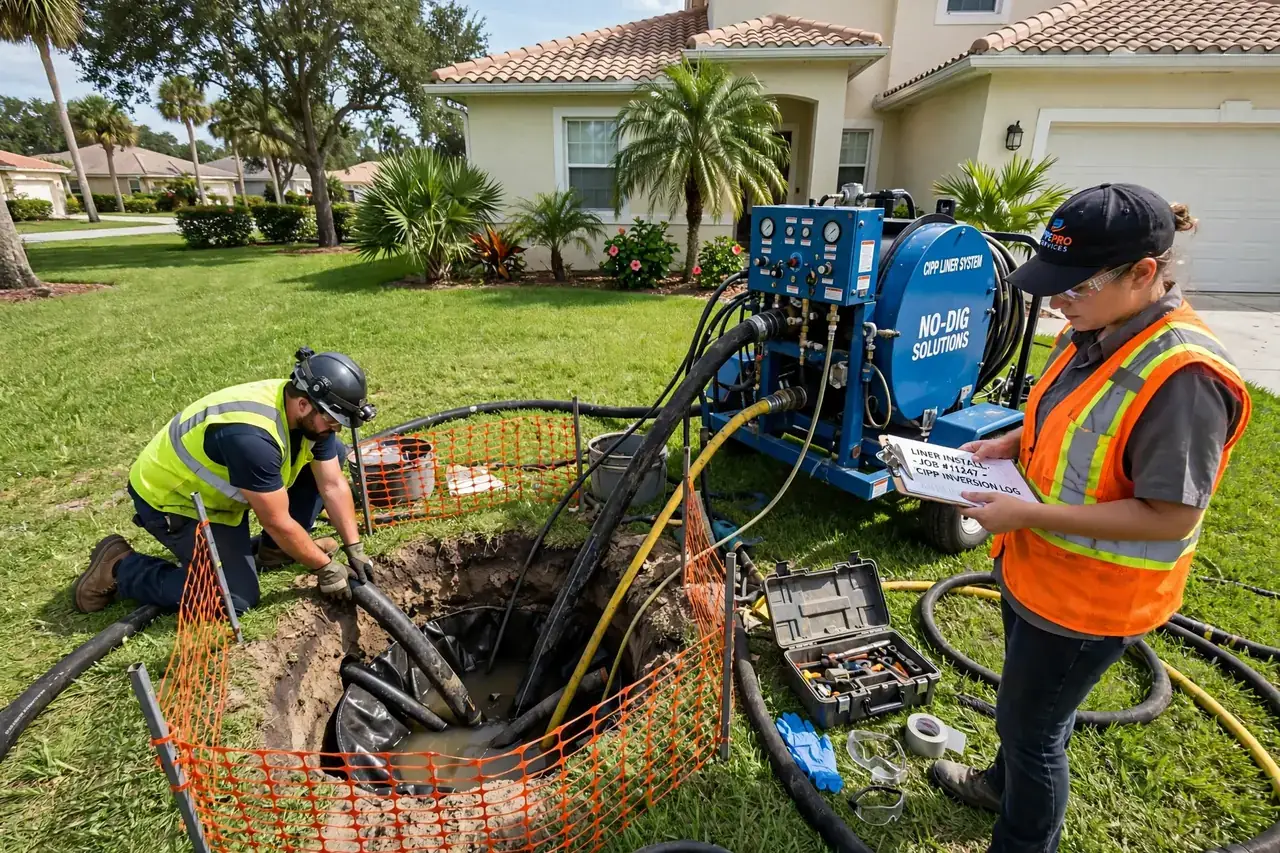
The no-dig repair family, CIPP lining and pipe bursting, that the inspection footage determines candidacy for. The camera shows which trenchless method, if any, the pipe can take.
View service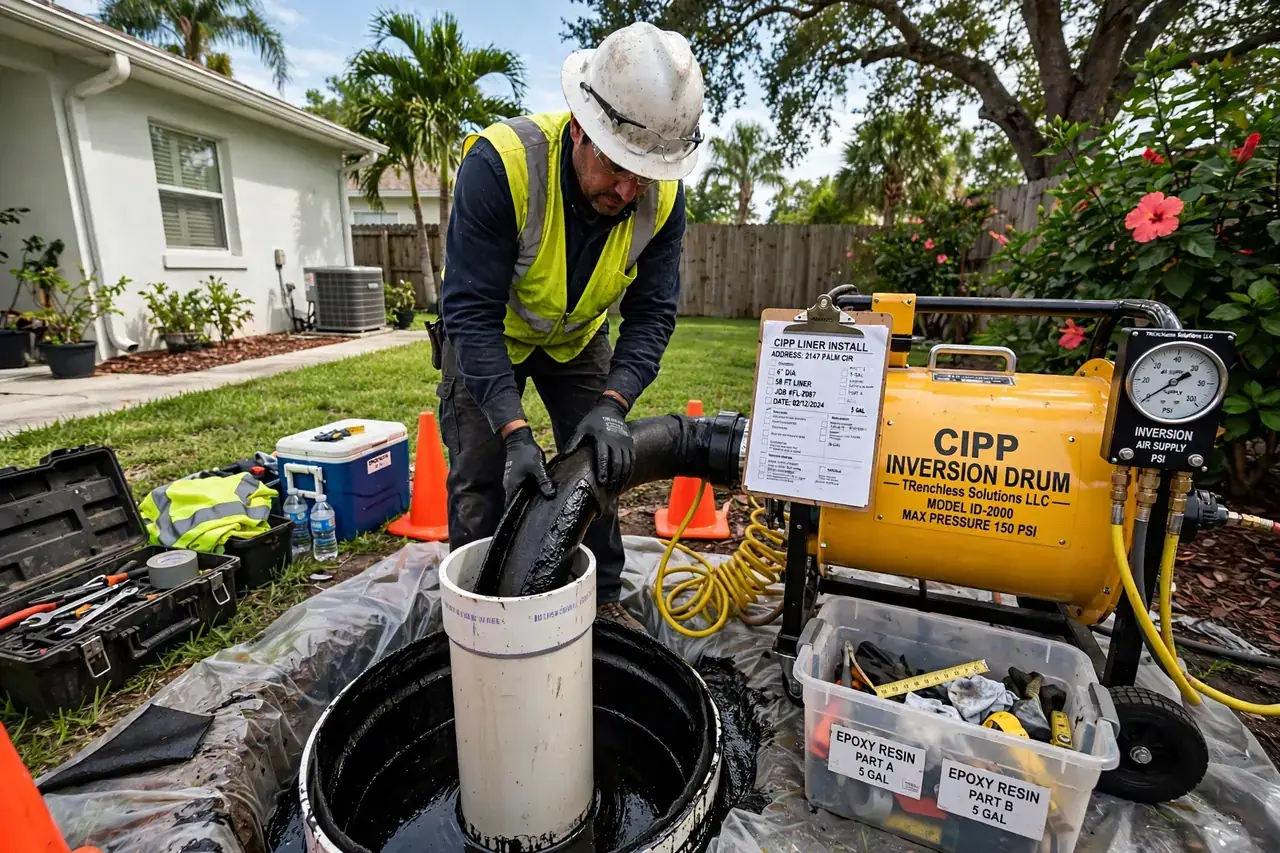
Epoxy lining for pipes that are damaged but still round. The inspection confirms the pipe is a lining candidate before any liner is planned, which is the step that prevents liners from being sold onto bad pipes.
View service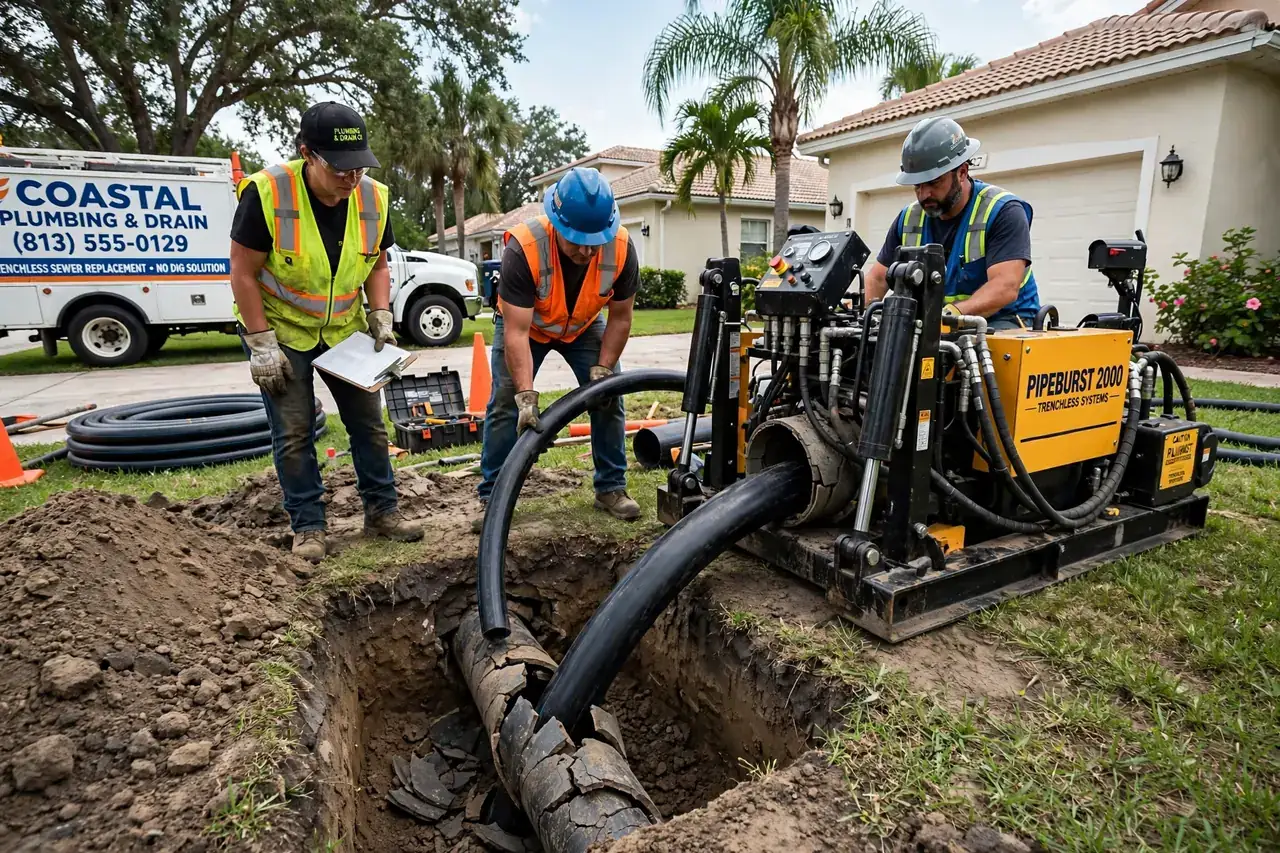
Trenchless replacement for pipes the inspection shows are collapsed or have lost grade. The camera footage is also the bursting plan: it maps the path, the pits, and every utility crossing.
View serviceBuying a home in Naples? Why a 60-minute sewer camera inspection matters before you close, and what the footage can reveal.
Read article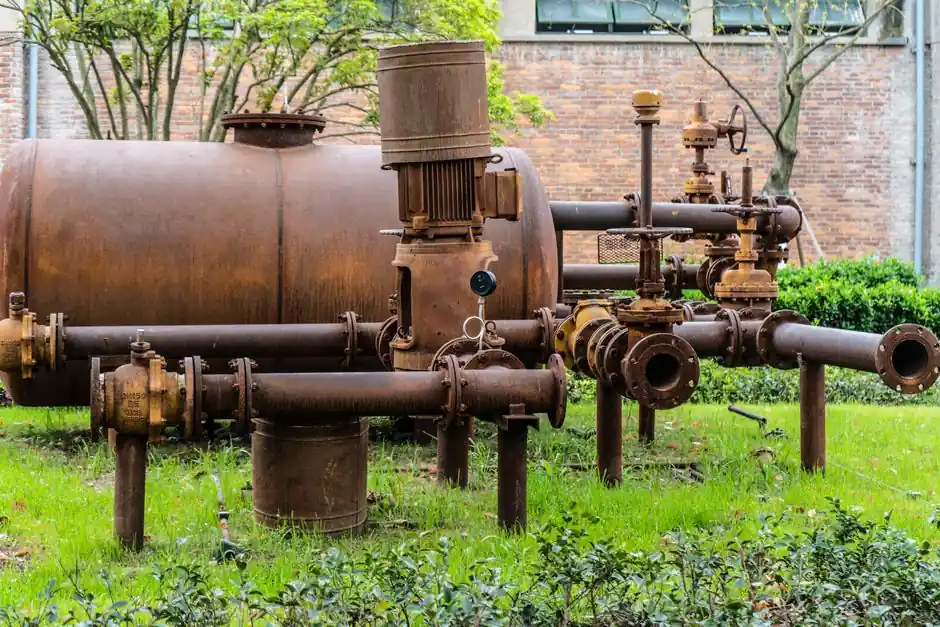
Is your cast iron sewer line failing? Warning signs Naples homeowners see first in 50-75-year-old pipes, and what to do next.
Read article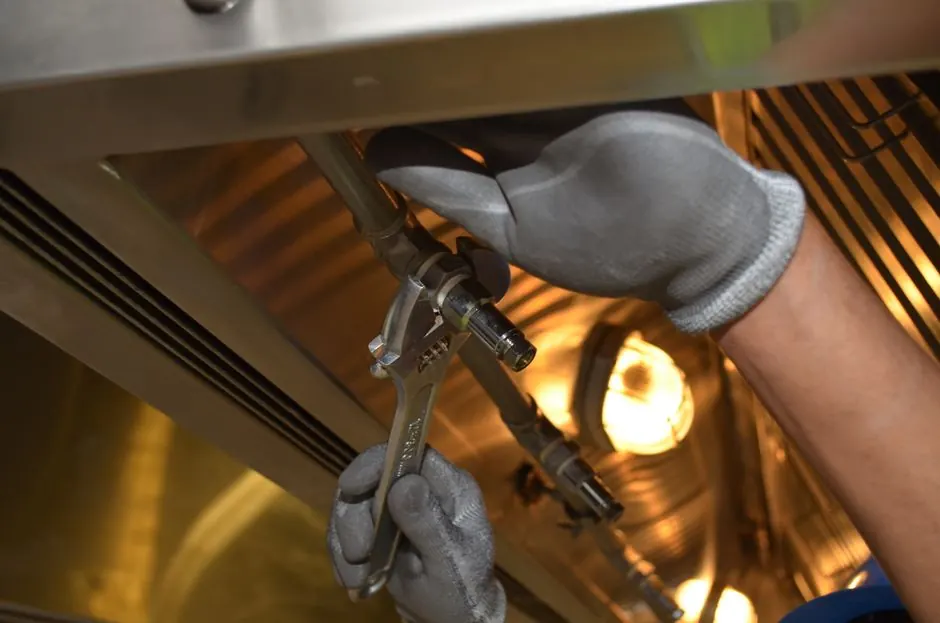
What shapes sewer line replacement in Naples, FL? Pipe length, depth, method, soil, and restoration: the factors behind every repair plan, explained.
Read article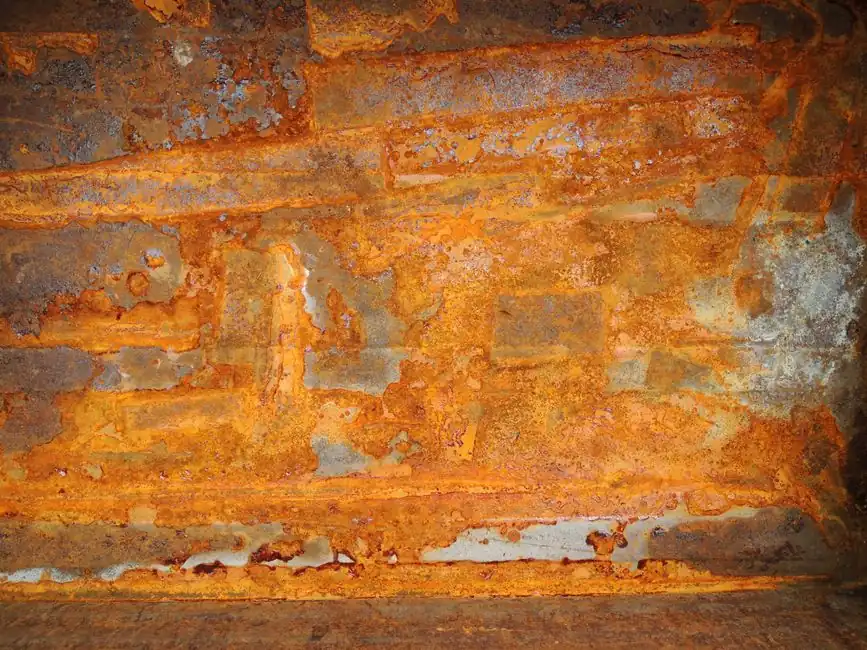
Every job starts with seeing the pipe. Call (239) 448-0271 weekdays between 8am and 6pm to book a camera inspection and get a straight answer about what your line needs. We dispatch from 1274 13th St N in Naples and serve Collier County daily. Describe your symptoms on the call and we will recommend the right next step.