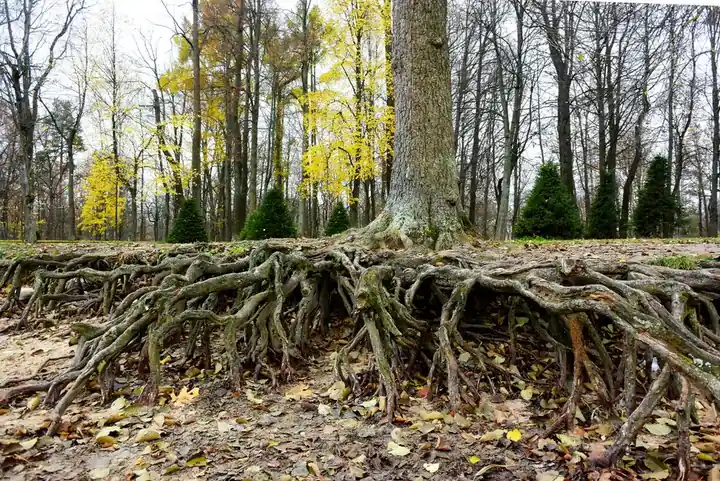
Can Tree Roots Break Through a New Sewer Line?
Answer Up FrontA properly installed new sewer line gives tree roots almost nothing to exploit. Roots do not punch through solid pipe, they get in through bad joints, and that is where new lines are won or lost.
You just had your sewer line replaced, or you are about to, and a reasonable worry follows the relief: those ficus roots that destroyed the old pipe, are they coming for the new one? It is a fair question in Naples, where aggressive tropical roots treat every buried pipe as a rumor of water. The short answer is reassuring: tree roots cannot punch through a solid new pipe. But the full answer has a catch worth understanding before the crew leaves.
Roots do not break into pipes. They break in through openings: joints, cracks, and separations. A new PVC or HDPE line, or a seamless cured-in-place liner, gives roots almost nothing to work with. Where new lines fail, it is almost always at a poorly made joint or a poorly sealed connection. This guide explains what roots can and cannot do to new pipe, where the real vulnerabilities are, and how to protect a new sewer line in Naples.
The Short Answer: Roots Exploit Weakness, and New Pipe Has Little
Old clay pipe has a joint every few feet, and every joint is a potential doorway. Old cast iron develops hairline cracks that weep moisture, exactly what roots hunt. A new PVC line has far fewer joints, each sealed as assembled. A new HDPE line installed by pipe bursting is fused into one continuous piece. A cured-in-place liner has no joints at all. Against that kind of pipe, a root tip finds no opening, no moisture signal, and no way in.
Why Old Pipes Lose to Roots
Clay tile, common in the oldest Naples installations, was laid in short sections with joints that shift and open over decades. Each gap leaks a tiny amount of moisture, and roots follow moisture the way you would follow a scent. Cast iron corrodes from the inside until cracks weep through the wall. By the time a homeowner notices slow drains, roots have usually been inside for years.
Can Tree Roots Break PVC Pipe?
Here is the direct answer: no. A healthy root tip cannot penetrate the solid wall of PVC pipe. PVC does not crack on its own, does not corrode, and gives off no moisture signal through an intact wall. Roots enter pipes at joints, never through sound pipe walls.
The qualifier is the joint. PVC sewer pipe uses bell-and-spigot joints with rubber gaskets. A properly seated gasket is watertight and root-tight, but a poorly seated one can open just enough to weep. That is why installation quality matters as much as material: the pipe is only as root-proof as its weakest joint. Ask for a post-installation camera run so you can see every joint for yourself.
What About a New Lined Pipe?
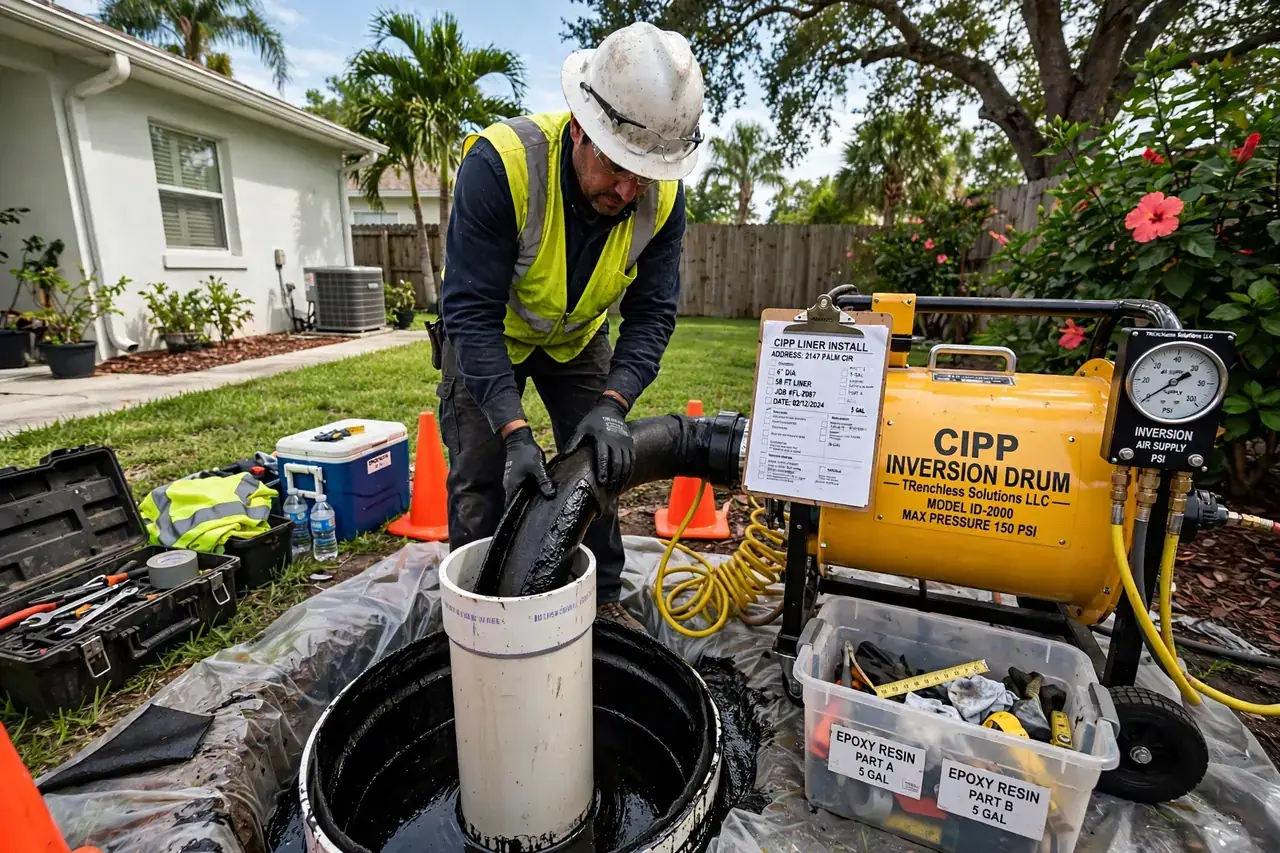
A cured-in-place liner is arguably the most root-resistant option because it eliminates joints entirely. The CIPP pipe lining process creates a continuous, seamless new pipe inside the old one, with no seams for a root tip to find. It also seals every crack in the old pipe behind it, cutting off the moisture signals that attracted roots.
Watch the ends: where the liner terminates at the city main and at your home's connection, transitions must be sealed correctly. The final camera inspection should show clean, tight transitions. After that, roots have nothing to find.
Where New Sewer Lines Still Fail
When a new line develops root problems, the cause is almost never the pipe material:
- Bad joints. A gasket not fully seated or a joint pulled apart by settling soil will weep, and weeping joints invite roots.
- Transitions to old pipe. Where new meets old, the joint joins different materials and ages. It deserves a camera check.
- Cleanout caps. A broken or unsealed cap at the surface gives roots a direct path in. Keep caps intact.
- Poor bedding. Pipe laid without compacted bedding settles unevenly and stresses joints. Good installers bed the pipe properly.
- Later damage. Heavy equipment over a shallow line or a landscaping project that nicks the pipe creates the opening roots need.
How Naples Trees Test Every Sewer Line
Fast-growing ficus, areca palms, mango, and banyan put out wide, aggressive root systems that travel far beyond the canopy seeking water. Irrigation keeps soil moist year-round, encouraging shallow root growth right where laterals run. Sandy soil shifts gently, which is kind to pipe walls but works at joints over time.
That is why sewer line repair in Estero so often pairs a beautiful mature tree with a compromised joint, a pattern we see from Golden Gate to Cape Coral. A new line changes the odds, but planting decisions after a replacement matter as much as the pipe.
Six Ways to Protect a New Sewer Line From Roots
A new line starts with every advantage. Keep it that way:
- Keep thirsty trees away from the pipe run. Know where your lateral is before planting, and keep fast-growing species well away.
- Install root barriers. A buried deflecting panel between a new tree and the pipe steers roots downward. Simple insurance.
- Get a post-installation camera inspection. Every joint on video before the crew leaves proves the line started root-tight.
- Keep cleanout caps sealed. Check them when you check your irrigation.
- Jet periodically if roots were the original problem. Occasional hydro jetting in Naples keeps intruders from establishing, and a camera check every few years confirms the seal.
- Aim irrigation away from the lateral. Roots chase moisture, so do not soak the soil over the pipe run every morning.
Frequently Asked Questions
Can tree roots grow through PVC pipe?
No. Roots cannot penetrate a sound PVC wall. They enter through joints, cracks, or separations. A properly installed PVC line is highly root-resistant.
How long before roots become a problem in a new sewer line?
With proper installation, never. A well-made new line can go decades without intrusion. Roots in a newer line usually trace to one bad joint, not aging material.
Should I remove trees near my new sewer line?
Not necessarily. Keep aggressive species at a distance and consider root barriers for new plantings. Removal is a last resort, usually only if a tree sits directly over the line.
Does pipe lining stop roots permanently?
A liner seals every crack and joint roots were using. Installed correctly, with sealed end transitions, it leaves roots no way back in.
What is the best pipe material to resist tree roots?
Seamless is best: CIPP liners have no joints, and fused HDPE is nearly joint-free. Among jointed pipe, well-installed PVC performs very well.
How do I know if roots are getting into my new line?
Watch for double flushes, gurgling drains, or several slow fixtures at once. A quick camera inspection shows whether a joint has opened, and early catches keep fixes small.
Protect Your New Line Before Roots Find It
A new sewer line is the best defense against roots you can buy, but only if the installation is verified and the yard is managed. Call Trenchless Sewer Pros at (239) 448-0271 for a post-installation camera inspection, root barrier advice, or a sewer line replacement in Naples done right the first time.